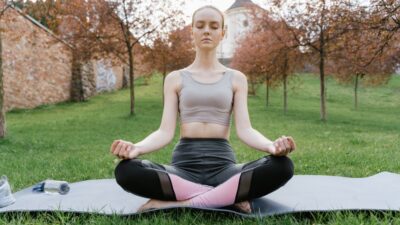
Understanding Solitude as a Path to Wellness
In the hustle and bustle of our hyper-connected world, solitude often gets a bad rap. But in 2026, there’s a growing appreciation for the power of being alone. Solitude isn’t about loneliness; it’s about carving out intentional time for yourself to recharge, reflect, and rejuvenate. This practice isn’t just beneficial; it’s essential for mental clarity and emotional stability.
The Misconceptions About Being Alone
Many people equate solitude with being antisocial or isolated. However, the truth is far from it. Solitude can provide a much-needed respite from constant social interaction, allowing you to process thoughts and feelings without external influences. In fact, psychologists have found that intentional solitude can enhance empathy, creativity, and productivity. It’s not about escaping the world, but rather equipping yourself to engage with it more fully.
How Solitude Enhances Mental Health
Studies show that regular periods of solitude can significantly reduce stress levels. A report by the American Psychological Association highlights that taking time alone can lower cortisol levels, leading to improved mood and emotional regulation. In 2026, wellness experts emphasize that solitude can be a form of personal therapy, helping individuals navigate their mental and emotional landscapes with greater ease.
Practical Ways to Embrace Solitude
- Create a Solitude Sanctuary: Designate a space in your home dedicated to solitude. This could be a cozy corner with your favorite books, a meditation nook, or a simple area with calming scents and soft lighting. Make it a retreat within your own living space.
- Schedule Solitude Sessions: Block out specific times in your calendar for solitude. Treat it as an important appointment with yourself. Whether it’s a daily 15-minute meditation or a weekend afternoon walk in the park, consistency is key to making solitude a habit.
- Digital Detox: Consider unplugging from digital devices during your solitude time. This can help reduce the noise and distractions, allowing you to focus entirely on your inner world, leading to greater self-awareness and peace.
- Journaling: Writing down your thoughts and feelings during moments of solitude can be immensely therapeutic. Journaling allows you to articulate and process complex emotions, fostering a deeper understanding of yourself.
Real-Life Success Stories
Take Emily from Portland, Oregon, for example. She used solitude as a tool to combat burnout in her demanding tech job. By dedicating just 20 minutes every morning to her solitude practice—consisting of meditation and journaling—Emily reported feeling more grounded and present throughout her day.
Similarly, Carlos from Madrid discovered that evening walks alone not only helped clear his mind but also sparked creative ideas for his work as a graphic designer. His solitude became a source of inspiration, proving that being alone can indeed fuel personal and professional growth.
The Role of Nature in Solitude
Nature and solitude go hand in hand. Spending time in natural settings can amplify the benefits of solitude. Known as ‘solitude in nature,’ this practice involves engaging with the natural world, which has been shown to enhance mood and mental clarity. Whether it’s a hike in the woods or a quiet moment by the ocean, nature offers a perfect backdrop for introspection and reflection.
A Practical Takeaway
Making solitude a part of your routine in 2026 is not just a trend; it’s a transformative lifestyle choice. By embracing solitude, you give yourself the gift of self-care and self-discovery. Start small, find what works for you, and watch as your mental, emotional, and even physical health begins to flourish.