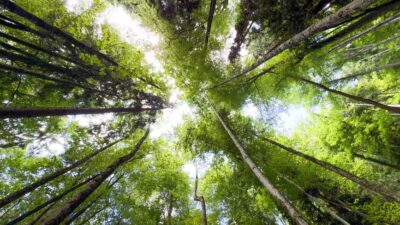
The Healing Power of Green Spaces
As urbanization continues to rise, the places we call home often lack the lush greens and vibrant blues that once filled our ancestors’ landscapes. Yet, studies consistently reveal that immersing ourselves in nature doesn’t just feel good—it’s essential for our wellbeing. According to a 2025 report by the World Health Organization, those who regularly spend time in nature are 30% less likely to suffer from anxiety and depression compared to their urban-dwelling counterparts.
Take the bustling city of Tokyo, for instance. Amidst its towering skyscrapers, the meticulously manicured gardens like Shinjuku Gyoen offer a serene escape for the city’s residents. These green spaces are not just eye candy; they are therapeutic havens where one can decompress and find clarity.
Nature as a Stress Reliever
Stress is a common ailment in our fast-paced lives, and finding ways to mitigate it is crucial. Research spearheaded by Stanford University in 2024 identified that even a short 90-minute walk in a natural setting can reduce neural activity in the area of the brain linked to mental illness. Imagine strolling through the Redwood National and State Parks, surrounded by towering sequoias and the scent of earth and pine. Such experiences are not just soothing—they’re vital antidepressants without the side effects of medication.
Boosting Physical Health
Beyond mental health, nature directly impacts our physical health. Regular exposure to sunlight, for example, helps in the production of Vitamin D, which is crucial for bone health and immune function. Spending time outdoors has also been linked to improved cardiovascular health. A 2023 study published in the Journal of Environmental Psychology found that individuals who frequently engage in outdoor activities, like hiking or cycling, have a 20% lower risk of developing heart disease.
Consider the sprawling landscapes of the Grand Canyon. The exertion of hiking its trails not only strengthens your heart but also fills your lungs with fresh, clean air—a stark contrast to the pollution-choked air of many major cities.
Cultivating Creativity and Focus
For those seeking a mental boost, nature might just be the muse you need. The University of Michigan found in a 2025 study that spending time away from screens and amidst nature increases creativity levels by 50%. The tranquility of a place like Banff National Park with its shimmering lakes and rugged mountains can serve as an inspiring backdrop for ideas to flourish.
Moreover, natural environments encourage mindfulness, pulling us away from the constant digital distractions. This can significantly enhance focus and productivity once we return to our tasks.
Connecting with Nature: Practical Ways
Embedding nature into your daily routine doesn’t require grand gestures. Here are a few practical steps:
- Morning Walks: Begin your day with a brief walk in a nearby park. Even 20 minutes can refresh your mind and body.
- Garden Therapy: Engage in gardening. Tending to plants, whether in a small urban balcony or a larger garden, can be immensely rewarding.
- Weekend Getaways: Plan trips to natural reserves or national parks. Even a day spent hiking or picnicking can rejuvenate your spirit.
- Nature Journaling: Document your interactions with nature. It enhances observational skills and deepens your connection to the environment.
By integrating these practices, the seemingly small steps can lead to significant improvements in your wellbeing.
The Takeaway: Nature as a Lifestyle
Incorporating nature into your life shouldn’t feel like an occasional escape; it should be a lifestyle choice. By consistently weaving natural experiences into your daily routine, you not only enhance your mental and physical health but also cultivate a more mindful, fulfilling existence. Next time you’re feeling overwhelmed, consider the wisdom of the natural world—it’s always there, ready to nourish and guide you.