What Exactly is a Flexitarian Diet?
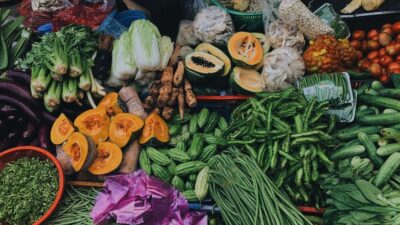
The term flexitarian has been buzzing around the health and wellness community for quite some time, and its popularity has only increased in 2026. Essentially, being a flexitarian means you predominantly follow a vegetarian diet, but occasionally consume meat or fish. This approach offers the flexibility to enjoy the best of both worlds, combining the health benefits of a plant-based diet with the richness of animal proteins and nutrients.
For those hesitant to completely cut out meat, the flexitarian diet provides an accessible pathway to better health without feeling overly restrictive. It’s no wonder this approach is gaining traction globally, with many embracing it as a sustainable lifestyle choice.
Health Benefits Backed by Science
Studies have shown that people who follow a flexitarian diet tend to have lower rates of heart disease, diabetes, and certain types of cancer. In 2025, a comprehensive study by the University of Copenhagen highlighted how a balanced reduction in meat intake can significantly lower one’s risk of chronic diseases. Moreover, the inclusion of more plant-based foods naturally boosts your intake of essential vitamins and antioxidants.
The beauty of a flexitarian lifestyle is its adaptability. You can adjust your level of meat consumption according to personal health goals or ethical considerations without completely eliminating any food group. This flexibility helps in maintaining long-term dietary changes, unlike more rigid eating plans.
Tips for Transitioning to a Flexitarian Lifestyle
- Start Small: Begin by incorporating one or two meatless days into your weekly routine. Consider Meatless Mondays or plant-based meals for dinner. The gradual approach helps ease the transition.
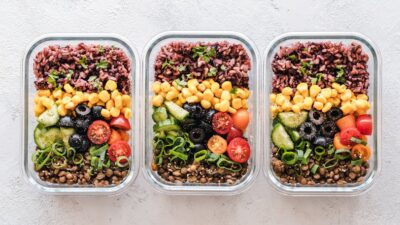
- Experiment with Plant Proteins: Lentils, chickpeas, and quinoa are excellent sources of protein. Trying new recipes can make the transition exciting and delicious.
- Focus on Whole Foods: Aim to reduce processed foods regardless of their plant or animal origin. Whole foods provide the most nutrients and health benefits.
- Stay Balanced: Ensure you’re getting enough protein, iron, calcium, and B12. Fortified foods and supplements may help in this regard.
- Listen to Your Body: Observe how different food choices impact your energy levels and overall health. Adjust your intake accordingly to suit your personal needs.
Global Influence and Cultural Adaptation
The flexitarian approach is not only gaining followers for its health benefits but also for its environmental impact. With climate change being a significant concern, reducing meat consumption is a small yet impactful step individuals can take to decrease their carbon footprint. Countries like Denmark, Singapore, and New Zealand have been pioneers in promoting the flexitarian diet as part of their national health campaigns.
Culinary cultures worldwide are adapting to this trend, offering more plant-based options in restaurants and local markets. For example, in Tokyo, you can now find flexitarian menus in traditional sushi bars, balancing the delicate flavors of fish with seasonal vegetables and plant-based innovations.
Practical Takeaway
The flexitarian diet’s strength lies in its flexibility. It allows you to enjoy a diverse array of delicious foods without the pressure of adhering to strict dietary rules. Whether you’re motivated by health, environmental considerations, or simply a desire to eat more plants, embracing a flexitarian lifestyle in 2026 could be your best step towards a balanced and fulfilling diet. It’s all about finding what works for you while being mindful of your health and the planet.