The Gut Microbiome: Your Underappreciated Ally
Our gut microbiome, a bustling community of trillions of bacteria, viruses, and fungi, is more than just a digestion aid. It’s a key player in our overall health, influencing everything from mental well-being to immune responses. Recent studies even suggest a strong link between gut health and chronic conditions like obesity, diabetes, and depression. As we step into 2026, understanding and nurturing this hidden ecosystem has become an essential aspect of wellness.
Embrace Diversity: Why Variety Matters
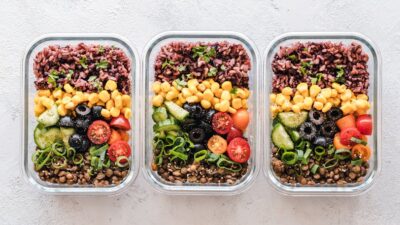
Diversity is not just a buzzword; it’s the cornerstone of a healthy microbiome. A diverse diet supports a diverse microbiome, which in turn strengthens your immune system and enhances your body’s resilience. Think of your gut as a flourishing rainforest. A few types of plants won’t create a balanced ecosystem. Instead, incorporate a wide range of foods to nourish different strains of beneficial bacteria. Branch out with ancient grains like amaranth, spelt, and teff, embrace fermented foods like kimchi or kefir, and don’t shy away from colorful fruits and veggies from around the world.
Fiber: The Unsung Hero
Fiber is the unsung hero in the realm of gut health. It’s not just about keeping you regular; fiber acts as a prebiotic, feeding the beneficial bacteria in your gut. Surprisingly, studies show that most people consume only about half of the recommended 30 grams of fiber per day. Incorporate fiber-rich foods such as chia seeds, lentils, and artichokes into your meals. An easy way to boost your intake is by adding a handful of nuts to your breakfast or opting for whole-grain bread over refined options.
The Stress-Gut Connection
Did you know that stress can alter your gut microbiome? The gut-brain axis, a complex communication network, means that stress can impact digestion and gut health. Practices like yoga, meditation, and tai chi are excellent for managing stress and, consequently, supporting gut health. Additionally, spending time in nature, whether it’s a walk through Central Park or a hike in the Appalachian Mountains, can reduce stress and benefit your gut.
Beyond Probiotics: Exploring Postbiotics
While probiotics have been the poster children for gut health, the new kids on the block are postbiotics — the beneficial byproducts of probiotic bacteria. These include compounds like butyrate, which has anti-inflammatory properties and supports gut barrier function. Foods like aged cheese and fermented soybean products (think miso and natto) are natural sources of postbiotics. As research progresses, more postbiotic supplements are becoming available, offering another avenue to optimize gut health.
Practical Takeaway: Cultivate Your Gut Garden
Creating a vibrant gut is akin to nurturing a garden — it requires patience, diversity, and care. Start by assessing your current diet and identifying areas for improvement. Incorporate a wider variety of foods, increase your fiber intake, and manage stress to foster a healthier microbiome. Remember, small changes can lead to substantial benefits for your gut and overall well-being.